One of the questions I get asked all the time is: what time should we actually do everything on our wedding day?
What time should the ceremony be? How long should we allow for drinks? When should speeches happen? When does the cake cutting fit in? And how on earth do you know when the band should start?
The slightly annoying answer is that there isn’t one perfect wedding day timeline that works for everyone.
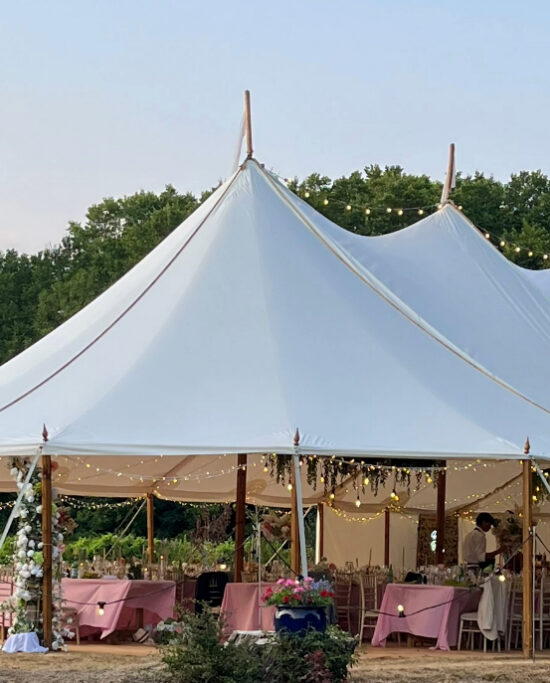
A church wedding followed by a marquee reception is going to look completely different to a wedding where everything happens in one venue. Add in your photographer, caterer, florist, band, transport and 100+ guests, and there are quite a few moving parts to consider.
But there is a natural flow that works really well for most weddings.
So, if you’re currently trying to work out your wedding day timings, here’s a good place to start.
The wedding morning
Example timing: 8am-1pm
Your wedding day starts long before the ceremony.
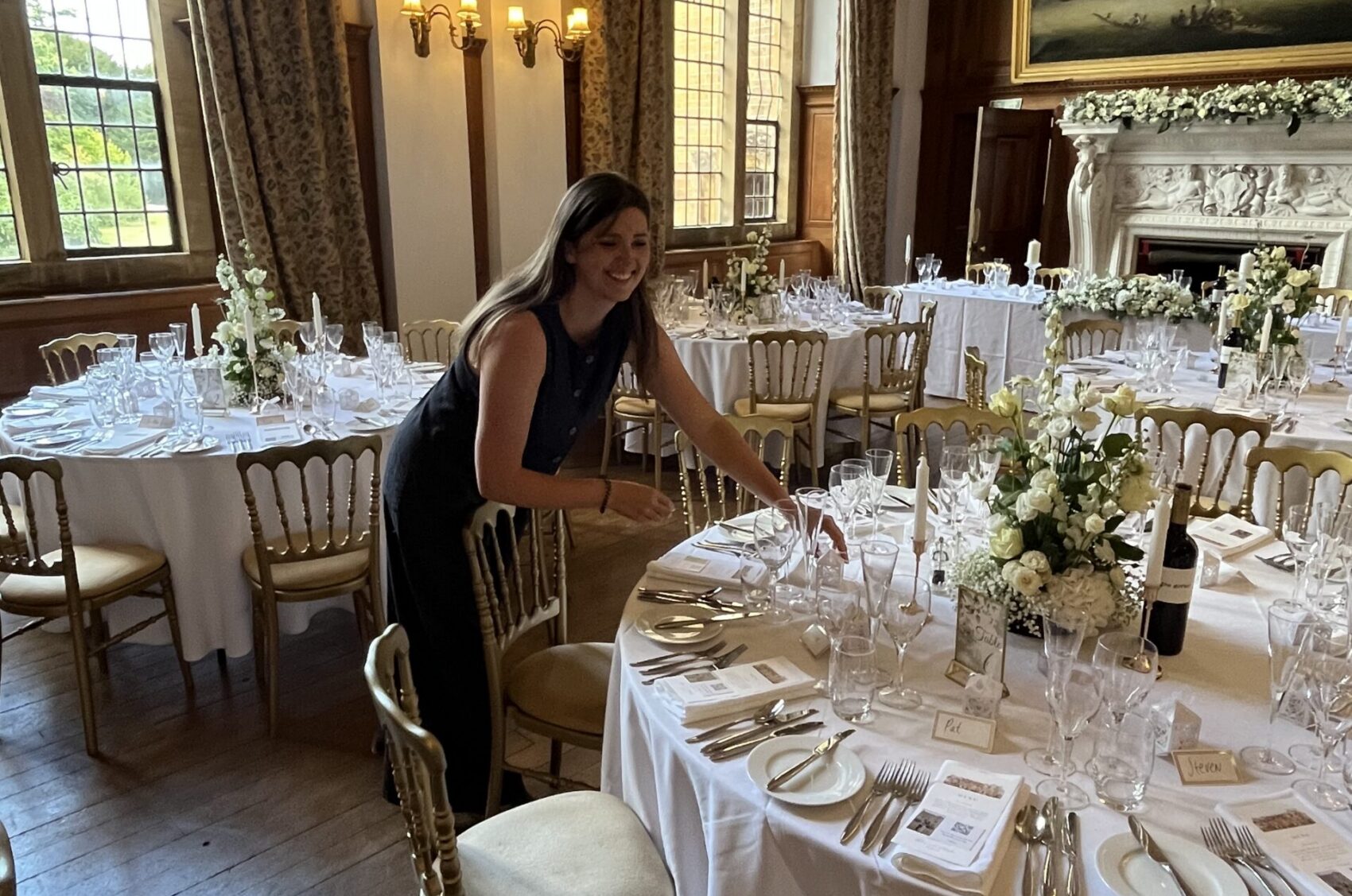
While you’re getting ready, suppliers may already be arriving and setting up. Your florist could be installing flowers, your caterer preparing, your photographer arriving and your venue team getting everything ready for guests.
One of the biggest mistakes I see is not allowing enough time for getting ready.
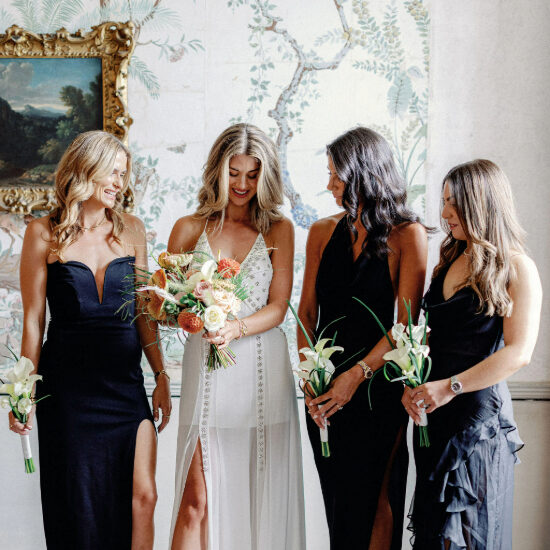
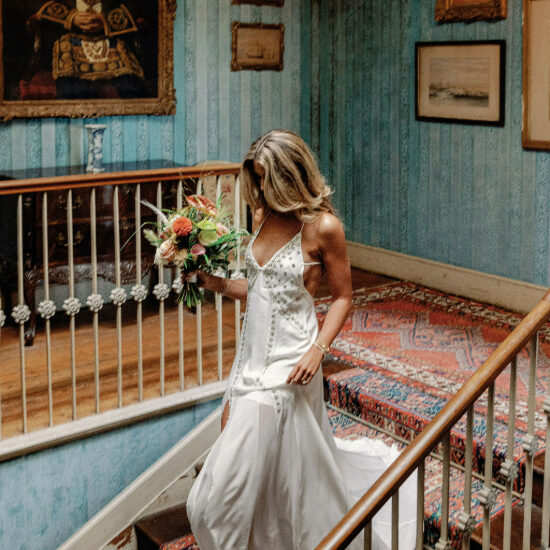
Hair and makeup needs to finish with enough time for you to get dressed without rushing, have any photographs you’d like before the ceremony and actually take a moment before you leave.
And if your dress has 47 tiny buttons down the back? Please allow extra time 😂
I would always rather have ten minutes where everyone is ready early and can have a glass of fizz than be frantically trying to leave while the photographer is waiting downstairs.

Guest arrival
Around 30-45 minutes before the ceremony
If your ceremony starts at 2pm, that doesn’t mean everyone should arrive at 2pm.
Guests need time to park, find the ceremony, say hello, find their seats and inevitably realise they’ve forgotten where they put the order of service.
Your suppliers also need to be ready before guests start arriving. The ceremony space should be finished, music checked, flowers in place and everyone involved in the ceremony should know where they need to be.
By the time your first guests arrive, you shouldn’t be answering questions about any of it.
The ceremony
Example timing: 2pm
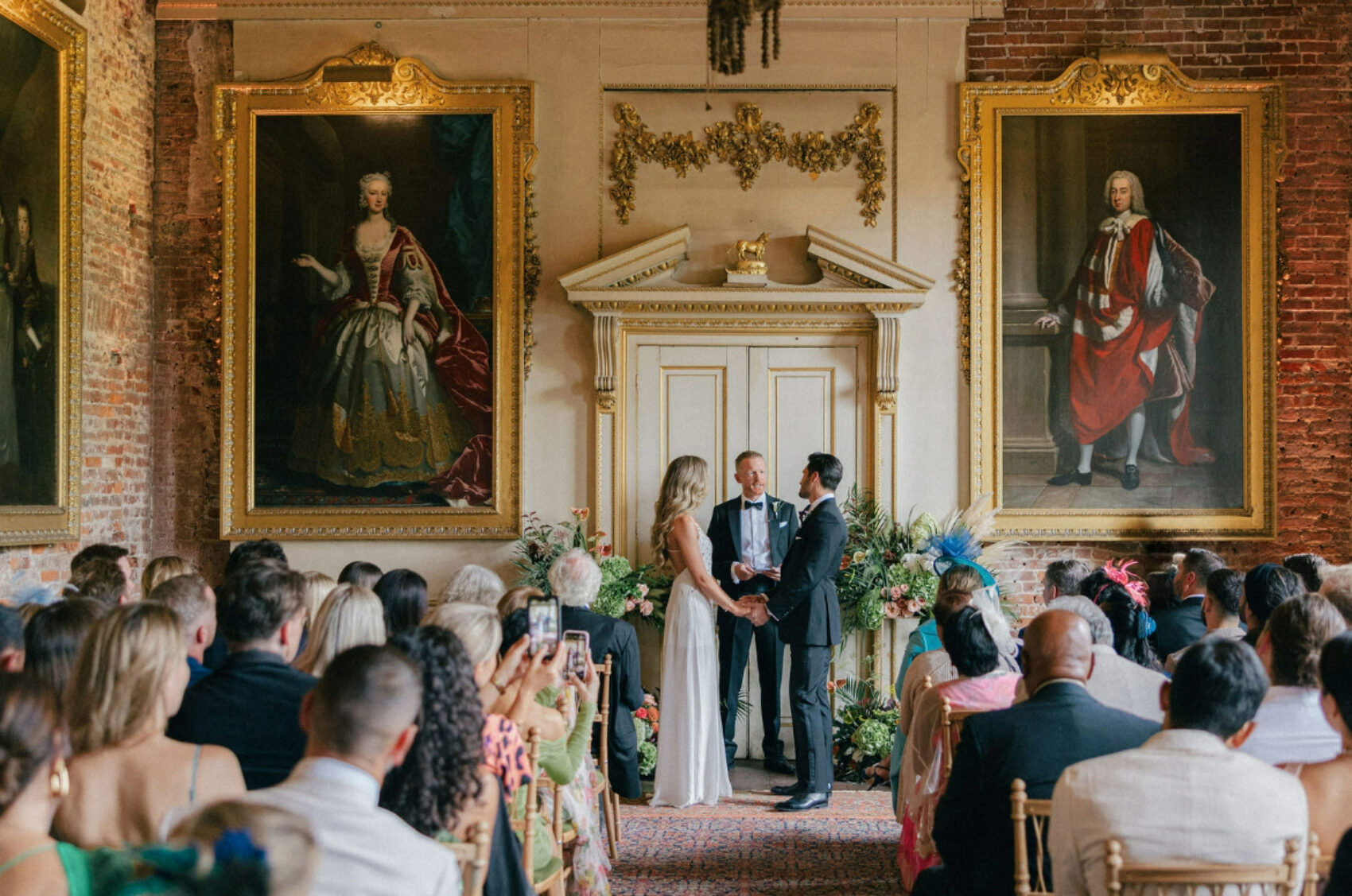
Your ceremony time is one of the main anchors for your entire wedding day timeline.
Everything before it works backwards from this point and everything afterwards flows from it.
Civil ceremonies can be relatively short, while church and religious ceremonies may be considerably longer, so don’t just assume yours will take 30 minutes. Check with whoever is conducting your ceremony before building the rest of the day around it.
And don’t automatically choose the earliest ceremony time available because you want to make your wedding day as long as possible.
Think about the whole day.
A slightly later ceremony might mean a much more relaxed morning, better timings for dinner and a nicer flow into the evening.
Confetti and drinks reception
Example timing: 2:30pm–4:30pm
You’re married! 🥂
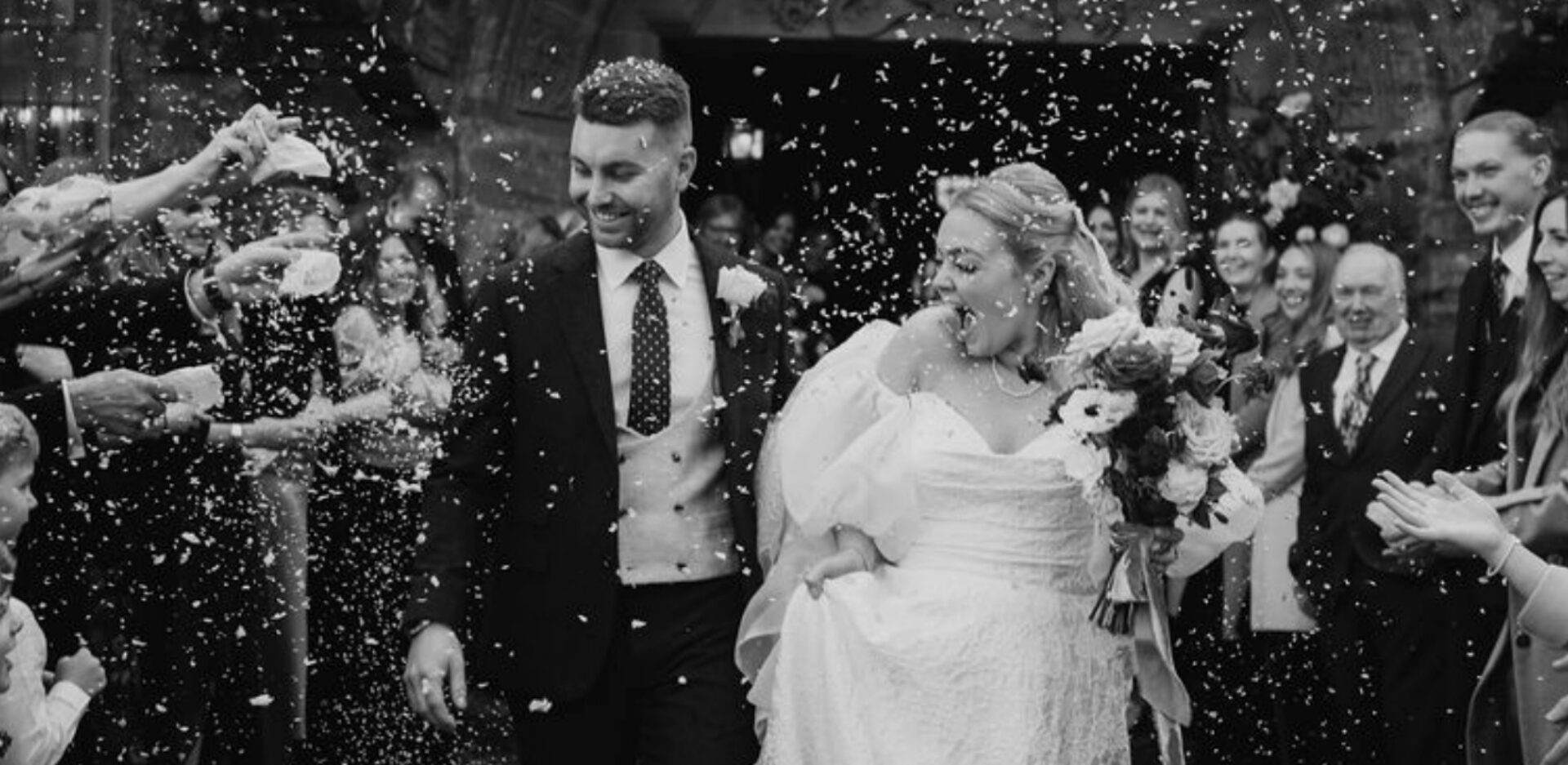
This is usually when you’ll have confetti, drinks and canapés, group photographs and some time away with your photographer for couple portraits.
My biggest piece of advice here is: don’t make this part too short.
Your drinks reception isn’t just a gap you need to fill between the ceremony and dinner. It’s one of the loveliest parts of the day.
You’ve just got married, everyone you love is in one place and it’s often the first chance you get to actually say hello to people.
Remember that photographs will take up some of this time too. If you have a long list of group shots, make sure you’ve allowed enough time for them without spending your entire drinks reception standing in front of a camera.
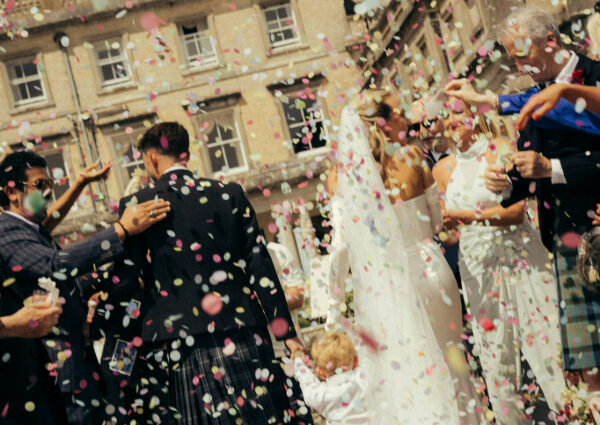
Also, confetti takes longer than you think.
The actual throwing takes approximately three seconds.
Getting 100 people into the right place and explaining what they’re doing? Slightly longer 😂
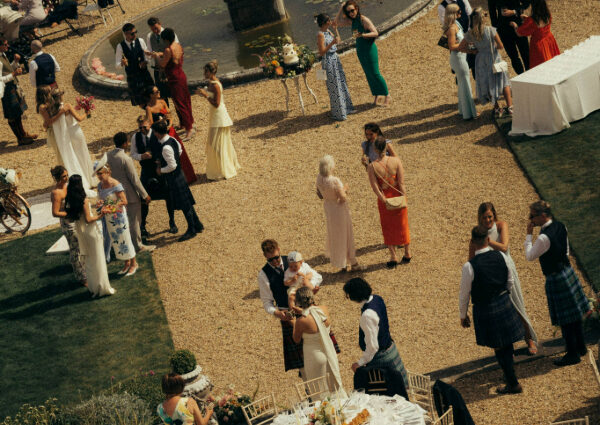
Calling guests through for dinner
Example timing: 4:30pm–4:45pm
If you want everyone seated for dinner at 5pm, don’t start asking them to sit down at 4:59pm.
Guests need time to finish their conversations, collect their drinks, check the table plan and find their seats.
This is one of those little timings that doesn’t seem particularly important when you’re planning, but building in 15-20 minutes here can make the transition feel much calmer.
Meanwhile, behind the scenes, your caterer, venue and coordinator will be making sure the room is ready and everyone who needs to know is aware that dinner is about to begin.
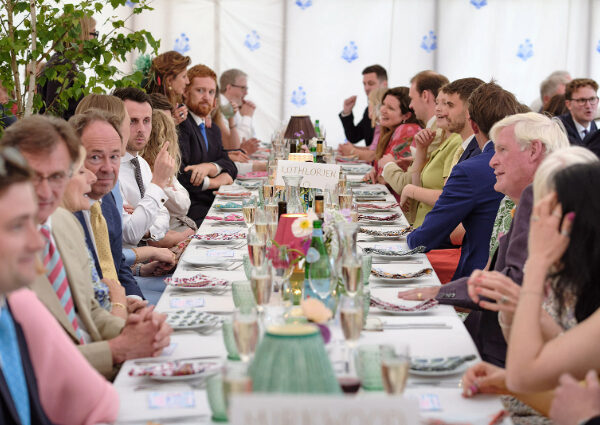
Wedding breakfast and speeches
Example timing: 4:45pm-7:15pm
Ask your caterer how long they recommend allowing for your wedding breakfast rather than guessing.
They know how long their service takes, how much time they need between courses and what works for your guest numbers.
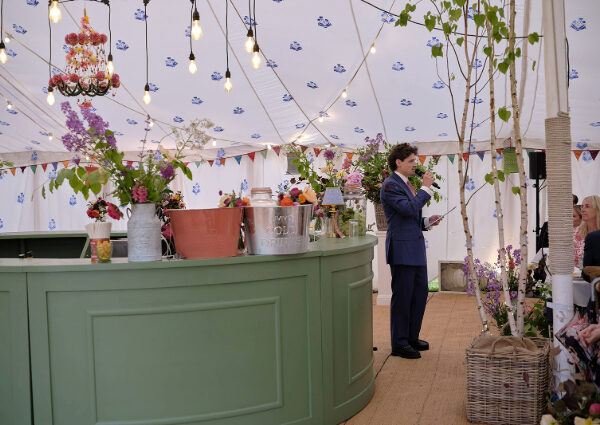
The same applies to speeches.
If three people tell you they’re each doing a “quick five-minute speech”, I’d probably leave yourself more than 15 minutes 😂
Speeches can happen before, during or after dinner and there are pros and cons to each. There’s no rule that says you have to do them a particular way.
Choose what works for you, then make sure your caterer, photographer and videographer all know the plan.
The evening
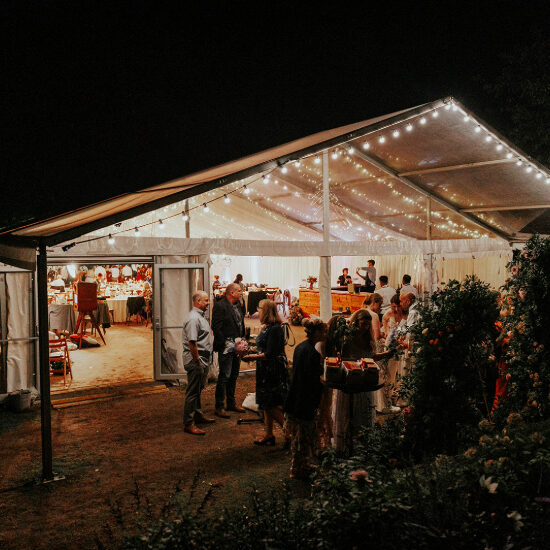
Example timing: 7:15pm onwards
This is where your timeline will depend hugely on the wedding you’ve planned.
You might have golden-hour photographs, cake cutting, an evening band, DJ, first dance, evening food or something completely different.
If you’re having live music, check how much time your band needs to set up and soundcheck. If they’re setting up in the same room where you’re eating, that needs to be factored into the timeline too.
And if golden-hour photographs are important to you, check what time sunset will actually be on your wedding date. Your photographer can help you work this into the day.
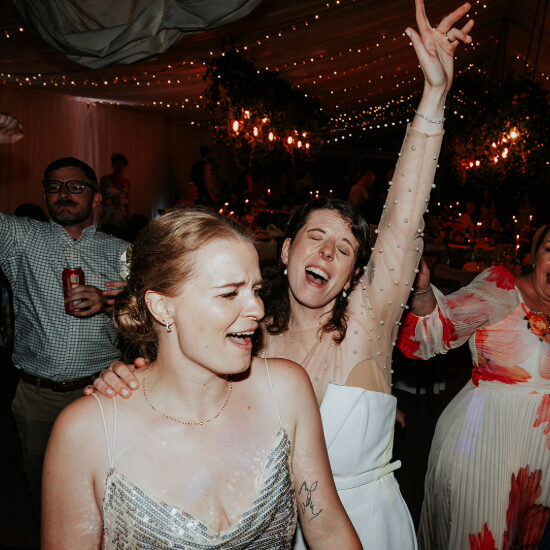
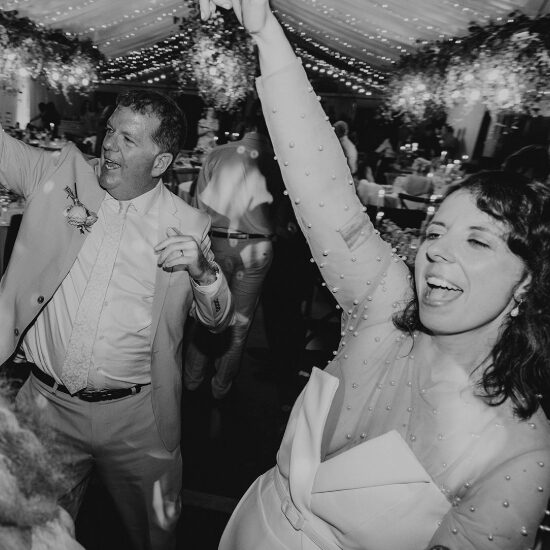
Then it’s time for the first dance and, hopefully, a very full dance floor.
Your wedding timeline doesn’t need to run perfectly on time
This is probably the most important thing I can tell you.
A good wedding timeline isn’t about making your wedding run to the exact minute.
Photos might take ten minutes longer than expected.
A speech might overrun.
Your caterer might need another five minutes.
Or everyone might be having such a lovely time outside with a glass of champagne that it makes sense to give them another ten minutes before dinner.
That’s completely normal.
The timeline gives everyone a plan to work from. Good coordination is knowing when to stick to that plan and when to adjust it.
If something moves, the important thing isn’t that you’re now seven minutes “late”. It’s that the suppliers affected by that change know about it and the rest of the day is adjusted accordingly.
So, who actually creates the wedding day timeline?
You absolutely can create your own.
Start with your fixed timings – ceremony, catering, venue access, transport and curfew. Then build everything else around them.
Then speak to your suppliers. Your photographer, caterer, florist, band and venue will all have their own timings and requirements that need to fit together.
For my couples, this is something I take over as part of my 6-Week Wedding Coordination.
I speak to their suppliers, work through the logistics and create a detailed wedding day timeline that brings everything into one place. Then, on the wedding day, I coordinate it.
Because after spending months planning exactly how you want your wedding to feel, you really shouldn’t need to spend the day checking what time it is.
The detailed timeline is for everyone else. Your job is to enjoy your wedding. 🤍