
One of the questions I’m asked most often is “How much does a wedding coordinator cost?”. The honest answer is that there isn’t one set price. Fees vary hugely across the industry and it’s not always because one coordinator is better than another. Every business is different with different levels of experience, different overheads and different amounts of time invested in each wedding.
Like most things in life, you’re often paying for experience, quality and the level of support you receive. Some coordinators choose to take on a high volume of weddings at a lower price point, while others intentionally limit the number of weddings they accept each year so they can provide a more personalised service to every couple.
I was recently asked whether I could reduce my fee to match another coordinator who had quoted more than £600 less. It was a fair question, if you don’t ask, you don’t get! But my answer was no and not because I don’t value my couples. It’s because I know exactly how much time, preparation and care goes into delivering the service I offer.
If you’re wondering why wedding coordinator prices vary so much or what you’re actually paying for, this guide will explain everything.


The quick answer
There isn’t a single industry standard for wedding coordination prices in the UK as every coordinator offers a different level of support. As a general guide, you can expect to pay:
Service Typical UK Price
Basic on the day coordination £800-£1,200
4-8 week wedding coordination £1,200-£2,500
Premium or luxury coordination £2,500-£5,000
(Complex or multi-day weddings)
These figures are only a guide as the price often reflects the amount of preparation that takes place before the wedding day.
For example, some coordinators will arrive on the morning of your wedding with the information you’ve provided and coordinate the day from there. Others, myself included, become involved several weeks beforehand. I begin working with couples six weeks before their wedding, giving me time to review every detail, communicate directly with suppliers, identify any potential logistical issues and create one comprehensive schedule that everyone works from.
This means you still have the freedom to plan your wedding exactly as you want, choose the suppliers you love and make all the creative decisions, while having the reassurance that an experienced coordinator is checking every detail behind the scenes. It’s often the little things; missing equipment, conflicting supplier timings or overlooked logistics that can cause unnecessary stress and these are usually much easier to solve weeks before the wedding than on the day itself.
Why the price varies
There are a lot of reasons as to why the price may vary:
Wedding size:
One weekend I might be coordinating an intimate wedding with 35 guests at a country hotel. The next, I could be overseeing a 150 guest marquee wedding with generators, luxury toilets, catering tents and twenty different suppliers arriving across two days.
Venue type:
Venues vary drastically, some have a lot of onsite accommodation, multiple locations that need to be set up, broken down and moved around. The logistics can increase with larger or multiple venues.
Number of suppliers: The number of suppliers has a direct impact on the amount of planning and administration required before the wedding. Quite simply, the more suppliers involved, the more communication is needed and the more moving parts there are to fit into one seamless timeline.
Each supplier will have their own requirements, arrival times and setup needs and these don’t always work together. For example, the florist may need access before the stylist has finished or the band may require a sound check while the photographer is using the ceremony space. It’s the coordinator’s job to identify these clashes, communicate with everyone involved and create a schedule that allows the day to run smoothly.
Length of support:
The level of support offered before the wedding has a significant impact on the cost. A coordinator who offers a single planning call before arriving on the wedding day is providing a very different service to someone who becomes involved four to eight weeks beforehand.
If a coordinator is only joining you on the day itself, they’ll often be relying on the information you’ve already gathered, such as supplier details, timelines and floorplans. A coordinator who becomes involved earlier has the time to contact every supplier individually, confirm logistics, ask questions, identify any potential issues and create one comprehensive schedule that everyone works from.
It’s also during this time that many of the little details are picked up before they become problems. Have you ordered enough glassware? Are two suppliers both providing linen? Who’s bringing the cake knife? Do you need high chairs, extra extension leads, ice or additional power? These are the details that can easily be overlooked when you’re planning your first wedding, but they’re much easier to solve weeks in advance than on the morning of the wedding.
Distance/Travel:
Travel is another factor that can influence the cost of wedding coordination, particularly if your wedding is some distance from your coordinator’s base. It’s not just the mileage that needs to be considered, but also travel time and, for early starts or late finishes, overnight accommodation.
I’m based in Dorset but regularly travel to weddings across the UK. To keep my pricing fair, travel within 30 miles of my base is included, with mileage charged beyond that. If your wedding requires an overnight stay due to the location or logistics of the day, I’ll always discuss this with you in advance so there are no unexpected costs.
Complexity of the day:
No two weddings are the same and the complexity of your day will have a significant impact on the level of coordination required.
I’ve coordinated intimate weddings with just five suppliers, all working from one location with a straightforward timeline. I’ve also managed large scale, three day festival style weddings involving multiple locations, over £10,000 worth of wine, live bands, DJs, entertainers and a large team of suppliers all arriving and leaving at different times.
As the complexity of a wedding increases, so does the amount of planning, communication and coordination required behind the scenes. Larger weddings often involve additional staff, more detailed logistics, longer setup and breakdown periods and contingency planning for every stage of the day. Likewise, a multi day celebration requires coordination across several days rather than just on, which naturally increases the time and resources needed to ensure everything runs seamlessly.
What you're actually paying for
One of the biggest misconceptions about wedding coordination is that it only begins on the wedding day. In reality, the wedding day is simply the final piece of weeks of preparation happening behind the scenes. This preparation is what allows everything to run as smoothly as possible when the big day arrives.
Before the wedding
This is where the majority of the work takes place. I’ll meet with you to fully understand your plans, review your timeline, visit your venue and contact each of your suppliers individually. I’ll gather any missing information, answer supplier questions, identify potential logistical issues and create a detailed schedule that everyone works from.
I’ll also produce maps, floorplans and supplier logistics documents, ensuring everyone knows where they need to be, when they need to arrive and exactly what’s expected of them. During this time, I’m also available to help with any outstanding tasks or last-minute questions that naturally crop up in the final weeks before a wedding.
During the final weeks
As your wedding approaches, supplier communication naturally increases. Arrival times change, deliveries need confirming, dietary requirements are finalised and last minute questions start appearing.
This is also when the finer details are checked. Do you have enough glassware? Is someone bringing the cake knife? Have the florists and stylists accidentally both ordered linen? Does everyone know where to unload? Catching these things now is far less stressful than discovering them on the morning of your wedding.
The Day Before
Where possible, I like to be involved in the setup the day before your wedding. This gives me the opportunity to oversee suppliers as they arrive, ensure everything is being set up as planned and become familiar with where everything is stored.
It’s also the perfect time to solve any final issues, walk through the timeline one last time and make sure you’re able to head into your wedding morning feeling relaxed.
On the Wedding Day
On the morning of your wedding, I’ll usually be the first supplier to arrive and one of the last to leave.
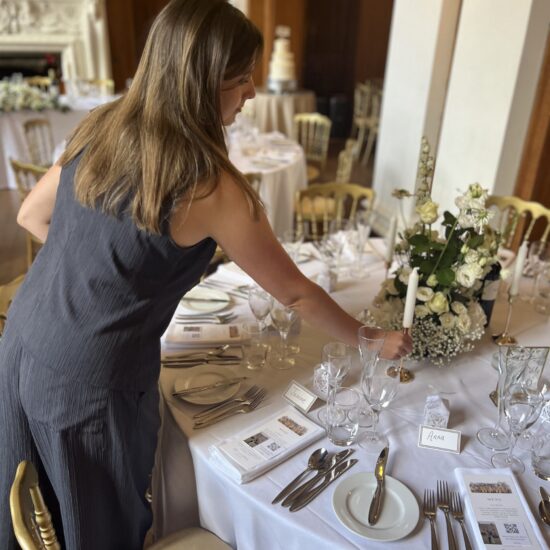
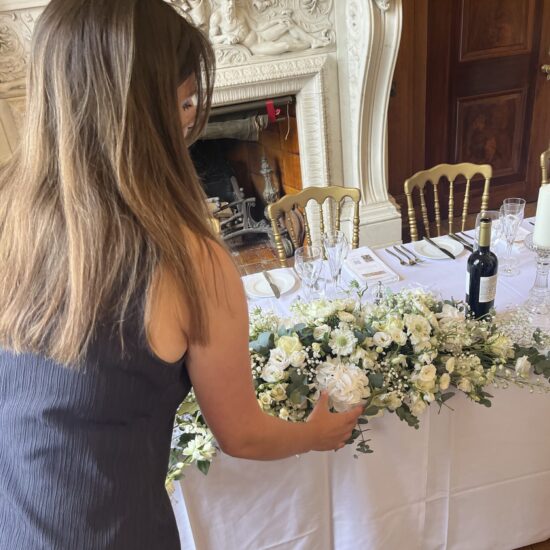
I’ll oversee any remaining setup, welcome and direct suppliers, answer questions from your bridal party and guests, keep the timeline on track and quietly adapt it if plans need to change. My role is to make sure every area is ready before your guests arrive, every supplier knows what they’re doing and every transition throughout the day happens seamlessly.
Most importantly, I’m there to solve the problems you never even hear about, allowing you to simply enjoy your wedding.
After the Wedding
Depending on the level of coordination you’ve booked, I can also oversee the breakdown of your wedding, ensuring hired items are returned correctly, suppliers collect their equipment and the venue is left exactly as agreed. If any follow-up is needed regarding damage deposits, missing hire items or supplier queries, I’ll assist with that too, giving you one less thing to think about once the celebrations are over.

Common misconceptions
There are a few comments I hear time and time again:
“The venue coordinator can do that.”
“Our family will take care of everything.”
“A coordinator just turns up on the day.”
In some cases, those approaches can work. Every wedding is different. However, having worked as both a venue manager and a wedding coordinator, I’ve seen first-hand how easily small oversights can become unnecessary sources of stress.
“The venue coordinator does the same thing.”
This is probably the biggest misconception I come across.
Venue coordinators and wedding coordinators have very different roles and neither is more important than the other.
A venue coordinator’s priority is looking after the venue itself. They’ll ensure the venue is operating safely, staff know what’s happening, catering runs to schedule and everything from the venue’s perspective is organised.
A wedding coordinator’s focus is entirely on your wedding. They’re communicating with all of your suppliers, managing your timeline, overseeing styling, coordinating logistics and ensuring your plans are brought to life exactly as you’ve imagined.
Some venues do offer comprehensive wedding coordination but many don’t. It’s always worth asking exactly what level of support is included before deciding whether you need additional coordination.
“A coordinator just turns up on the day.”
Some coordination services do work this way but there’s only so much that can realistically be achieved if someone is seeing your wedding for the first time on the morning of the event.
Without understanding the venue, speaking to suppliers beforehand or identifying potential logistical challenges, the coordinator is often reacting to problems rather than preventing them.
One example that always sticks with me is a couple who wanted to serve welcome drinks beside a beautiful bridge, around one mile from the main venue. It sounded idyllic but there were so many practical questions that hadn’t been considered.
How would the drinks stay cold?
Who was transporting hundreds of glasses?
Was there a table?
What happened if it rained?
How would elderly guests get there?
These are exactly the kinds of details that are much easier to resolve weeks before the wedding than on the day itself.
“My family can do it.”
Family and friends are wonderful, and most genuinely want to help. But from experience, they often end up missing some of the best parts of the day because they’re busy completing jobs.
I’ve genuinely seen mums tying ribbons onto chairs ten minutes before the ceremony while still not dressed, with the hair and makeup artist wondering where they’d disappeared to. It’s happened more than once.
I’d much rather parents, siblings and friends were enjoying a glass of champagne, chatting with guests and sharing those special moments with you than worrying about whether the cake has arrived or the candles have been lit.
Your wedding day only happens once. The people you love should be able to experience it alongside you, not spend it working behind the scenes.

Is it worth having a wedding coordinator?
The honest answer is: it depends on your wedding.
Not every wedding needs a dedicated wedding coordinator and I’d never suggest paying for a service you don’t need. If you’re planning an intimate wedding at a venue with an experienced events team, only a handful of suppliers and a simple timeline, you may find the venue coordinator provides all the support you need.
However, there are certain weddings where professional coordination becomes invaluable.
You would likely benefit from a wedding coordinator if you’re:
- Getting married in a marquee or private garden.
- Using a dry hire or blank canvas venue.
- Planning a wedding across multiple locations.
- Working with a large number of suppliers.
- Having lots of styling elements, furniture or floral installations that need moving throughout the day.
- Hosting a large guest list.
- Planning a multi day celebration.
- Wanting your family and friends to enjoy the day rather than helping behind the scenes.
A wedding coordinator is particularly valuable during the final few weeks before your wedding, when questions from suppliers start increasing and all of the little details need bringing together. Rather than juggling emails, timelines and last minute decisions yourself, you have someone whose job is to oversee every moving part and make sure nothing has been overlooked.
For me, wedding coordination has never just been about keeping a timeline on schedule. It’s about protecting the months or even years of planning you’ve invested in your wedding, giving you the confidence that someone experienced is looking after every detail and allowing you, your partner and the people you love to be fully present on one of the most important days of your lives.


How to compare coordinators
When comparing wedding coordinators, try not to focus on price alone. Two coordinators may charge similar fees but offer completely different levels of support.
Here are a few questions I’d recommend asking:
- What experience do you have? Have you coordinated weddings similar to mine?
- What’s included? Do you communicate with suppliers, oversee setup, move décor and furniture if needed, and coordinate breakdown?
- When do you become involved? Will we work together for several weeks, or do you only join on the wedding day?
- How long will you be there on the day? What time do you arrive and leave?
- Do you have reviews or testimonials? Hearing from previous couples is one of the best ways to understand what it’s like to work with someone.
- Are you insured? Make sure they have public liability insurance.
Ultimately, choose the coordinator you trust the most—not simply the one with the lowest price. The right coordinator should leave you feeling calmer after every conversation, knowing your wedding is in safe hands.

My approach
I specialise in six-week wedding coordination, stepping in once you’ve planned your wedding but before everything starts coming together.
We’ll begin with a comprehensive handover meeting and venue walkthrough, where I’ll get to know every detail of your plans, your suppliers and any outstanding jobs or concerns.
From there, I’ll contact each of your suppliers individually, confirm logistics, gather any missing information and create one detailed timeline and logistics document that everyone works from. I’ll keep you updated throughout, handling supplier questions and resolving any issues behind the scenes, so you don’t have to.
If your venue allows setup the day before, I’ll be there to oversee deliveries, styling and supplier arrivals, making sure everything is in place and ready for the big day. It’s also a chance for us to walk through the timeline one final time, so nothing is left to chance.
On your wedding day, I’ll be the first to arrive and one of the last to leave. I’ll coordinate suppliers, oversee the setup, manage the timeline, solve any unexpected problems and make sure every part of your day runs seamlessly, leaving you free to enjoy every moment.
For larger or more complex weddings, I also offer additional coordination support, assistant coordinators, multi-day wedding coordination and end-of-night venue closure.
Frequently asked questions
When should I book a wedding coordinator?
As soon as you’ve decided you’d like one. There’s no right or wrong time, but the earlier you book, the more choice you’ll have as experienced coordinators often secure dates well in advance.
Do I need a wedding coordinator if my venue has a venue coordinator?
Not necessarily. It depends on the level of support your venue provides and the complexity of your wedding. If you’re unsure, it’s always worth having a conversation to understand the difference between the two roles.
Do you travel?
Yes, absolutely. I’m based in Dorset but coordinate weddings across the UK. Travel within 30 miles is included, with mileage charged beyond that.
Do you coordinate marquee and private estate weddings?
Yes! In fact, they’re some of my favourite weddings to coordinate. They often involve more logistics than traditional venues and I love bringing all of those moving parts together.
What’s included in your coordination service?
Every wedding is different, but my six-week coordination service includes a handover meeting, venue walkthrough, supplier liaison, timeline creation, logistics planning, setup support, on-the-day coordination and one dedicated point of contact from six weeks before your wedding through to the day itself.

Final thoughts
If there’s one piece of advice I could give, it’s this: don’t choose a wedding coordinator based on price alone.
Instead, ask what you’re actually getting for your investment. How much support is included? When do they become involved? Will they be there the day before? Have they coordinated weddings similar to yours? Do they have the experience to deal with the unexpected?
Every wedding is different, which is why there will never be a one size fits all price for wedding coordination. A relaxed celebration at a hotel with a handful of suppliers requires a very different level of support to a three-day marquee wedding with multiple locations, dozens of suppliers and hundreds of guests.
At the end of the day, a wedding coordinator isn’t there just to keep the day running on time. They’re there to protect the months or even years of planning you’ve put into your wedding, solve problems before you even know they exist and allow you, your family and your friends to be fully present and enjoy the day you’ve worked so hard to create.
If you’re still unsure whether wedding coordination is right for you, or you’d simply like some honest advice, I’d be delighted to have a chat. Even if you decide not to book me, I hope this guide has helped you understand what goes into wedding coordination and why prices can vary so much.